


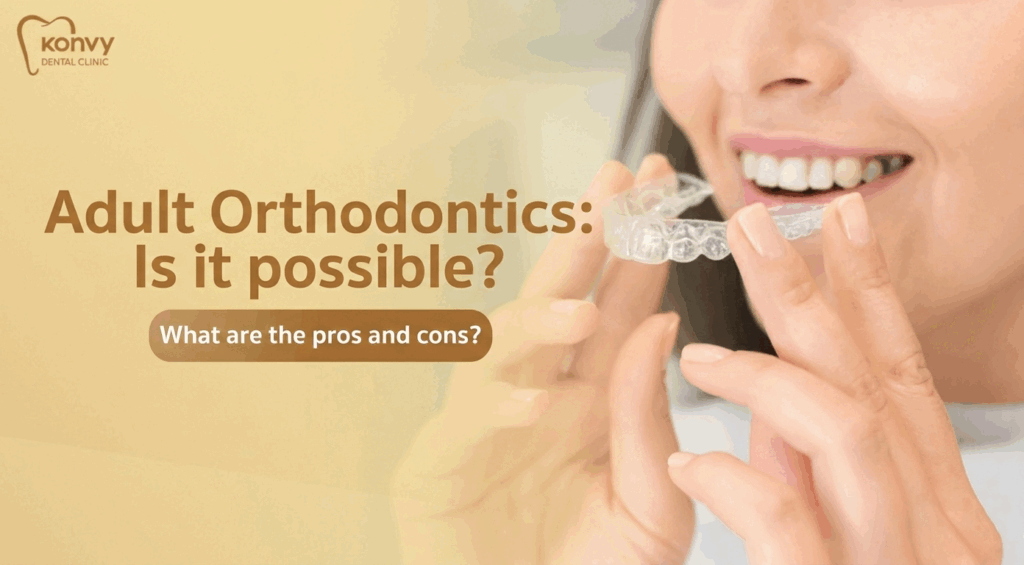
Many adults who have long passed their teenage years still dream of a perfect smile. However, hesitation often stems from the old belief that braces are only for kids. Fears about “hard bones,” side effects, or long-term complications lead to the ultimate question: Can you really get braces at an older age?
Today, we will clear up the confusion and dive deep into the specific challenges and benefits of adult orthodontics to help you make an informed decision.
Can I Still Get Braces as an Adult?
In medical terms, there is no upper age limit for orthodontic treatment. Whether you are 30, 40, 50, or even 60, you can successfully undergo treatment. The key requirement is that your gums and jawbones are healthy enough to support tooth movement, as evaluated by a professional orthodontist.
What Defines “Adult Orthodontics”?
When people refer to “getting braces at an older age,” they typically mean individuals aged 30–40 and above. At this stage, bone structures are no longer as flexible as they are in adolescents, which is why specialized planning is required.
The Unexpected Benefits of Adult Braces
Before looking at the challenges, let’s explore why adult orthodontics is more than just an aesthetic upgrade.
Enhanced Personality and Professional Confidence
In professional environments, your image matters. A great smile creates a powerful first impression. Correcting issues like protruding teeth, gaps, or crowding restores confidence, making you appear more approachable and credible in business and social interactions.
Better Long-Term Oral Health
Aligned teeth are significantly easier to clean. It reduces the accumulation of plaque and bacteria, the primary causes of bad breath, cavities, and gum disease. Choosing braces in your 30s or 40s is an investment in keeping your natural teeth healthy well into retirement.
Improved Chewing and Digestion
Many adults suffer from shifting teeth due to previous extractions or natural wear. This can lead to an “improper bite,” affecting how you chew. Braces help realign the bite, ensuring food is processed properly, which reduces the strain on your digestive system.
The Challenges: Disadvantages of Getting Braces Later in Life
While possible, adult orthodontics comes with unique challenges compared to teenage cases. Here is what you should prepare for:
Longer Treatment Duration
Adult jawbones are denser and fully developed. Consequently, teeth respond more slowly to pressure, often extending the treatment time by several months compared to younger patients.
Risk of Gum Recession and Gingivitis
This is the most common concern. Adults often have a history of tooth wear. Moving teeth can sometimes trigger gum recession. Without meticulous hygiene, adults are also more prone to periodontal disease during treatment.
The Appearance of “Black Triangles
When severely crowded teeth are straightened in adults, the gum tissue might not fill the gaps completely, leaving small dark triangular spaces between teeth. While common, they can be managed with professional dental contouring.
Adjustment and Sensitivity
Because adult tissues are less elastic, the initial phases of getting braces or tightening wires may feel more tender or uncomfortable than they would for a child.
Choosing the Right Braces for Professionals
Selecting the right tool for your lifestyle is crucial for success.
Metal Braces
The traditional, cost-effective method. While highly effective for complex cases, they are harder to clean and may appear less professional in certain corporate settings.
Clear Aligners
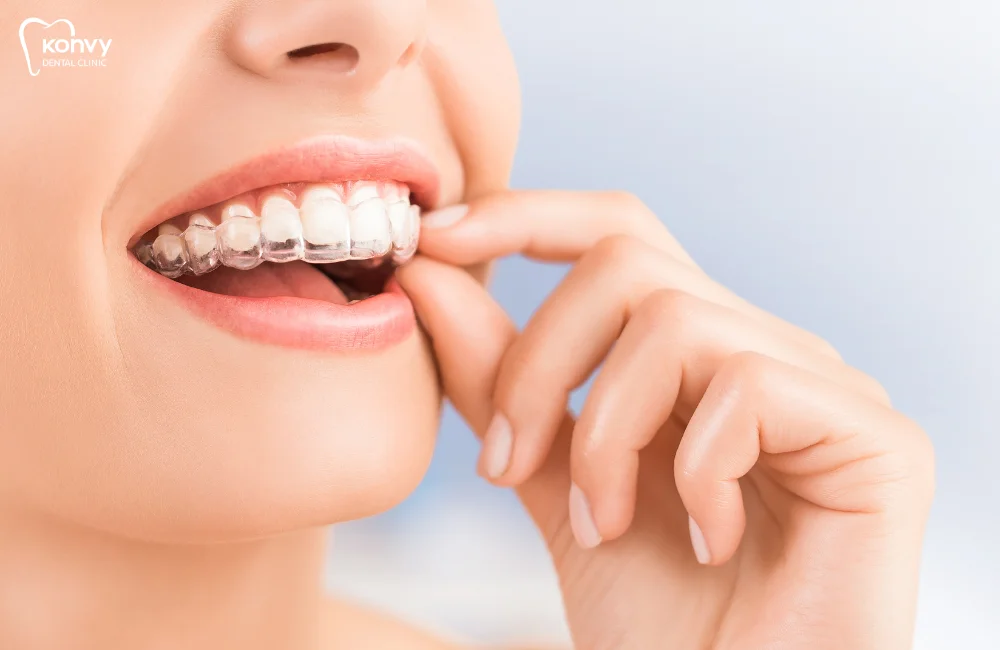
The top choice for adults. They are virtually invisible and removable for eating and cleaning. Invisalign significantly reduces the risk of gum disease and is generally less painful, making it perfect for executives and those who face the public.
Preparation Steps for Older Adults
Comprehensive Oral Exam: X-rays are vital to check the strength of the roots and bone.
Clearance: You must treat existing gum disease, cavities, or root canal issues before starting. Moving teeth in an inflamed environment can cause rapid bone loss.
Medical Consultation: Disclose any chronic illnesses or medications, as some can affect bone remodeling and tooth movement.
Adult Orthodontics FAQ, Is it dangerous to get braces at age 40 or 50?
It is not dangerous if performed by a specialist. However, a much more detailed assessment of the bone and gums is required compared to teenagers.
What is the biggest risk?
The biggest risks are gum disease and root resorption (shortening of the roots). This is why a “slow and steady” approach with moderate force is best for adults.
Which type of braces is best for adults?
If the budget allows, Invisalign or Damon (Self-Ligating) Braces are ideal. They are easier to keep clean and generally more comfortable for the gums.
Will braces change my face or make me look younger?
Orthodontics can improve facial symmetry. Correcting protruding teeth can refine the mouth area and profile, often leading to a more refreshed and youthful appearance.
Conclusion
Adult orthodontics is a journey toward health and confidence. While it requires more patience and meticulous care than teenage orthodontics, the results—a functional bite and a radiant smile—are well worth the investment.
Konvy Dental Clinic specializes in adult orthodontic care. We offer free consultations and dental assessments by our experienced team of orthodontists.
Contact us for promotions or appointments:
Ari Branch: 093-329-9282 | 096-119-1164
Tawanna Bangkapi Branch: 093-329-9282 | 065-887-8191